
Retail vacancy steady at 6.0% with little new supply
Cushman & Wakefield reports Q2 2026 retail vacancy at 6.0%, rents up 2.2%, and the Inland Empire among markets leading West region absorption.
What's happening
U.S. retail vacancy was 6.0% in the second quarter of 2026, up just 3 basis points from the prior quarter and well below the 7.4% historical average, according to Cushman & Wakefield. Net absorption turned positive at 708,000 square feet, and asking rents rose 2.2% year over year to $25.65 per square foot.
New construction remains scarce, with the active pipeline below 0.3% of inventory. Demand is concentrated in grocery, discount and health and wellness concepts.
- Vacancy: 6.0%.
- Net absorption: 708,000 sf.
- Asking rent: $25.65/sf, up 2.2%.
- Deliveries: 2.3 msf, 82% in neighborhood and strip centers.
- West region: 1.3 msf of absorption, led by Las Vegas, the Inland Empire and Phoenix.
What it means for owners, tenants and investors
With almost no new supply, well-located neighborhood centers retain pricing power, and CBRE's cap rate survey showed neighborhood retail among the sectors with the most compression. Retailers seeking space should expect limited options in strong trade areas. The Inland Empire's place among the markets leading West region absorption supports continued investor interest in Southern California's grocery-anchored and service retail.
For owners, low vacancy supports renewal negotiations and selective rent increases, particularly in centers anchored by grocery or daily-needs tenants. Landlords should still underwrite tenant credit carefully, since closures continue among weaker national chains.
Limited construction is keeping retail vacancy low even as store closures continue.
Tenants looking for space in strong trade areas should plan early, because with so little construction, most options will come from existing centers turning over tenants. Investors are favoring centers with necessity-based tenants because their sales are less sensitive to economic slowdowns.
What to watch
Consumer spending among lower-income households, since spending is increasingly concentrated among top earners. Also watch whether new retail construction stays near historic lows.
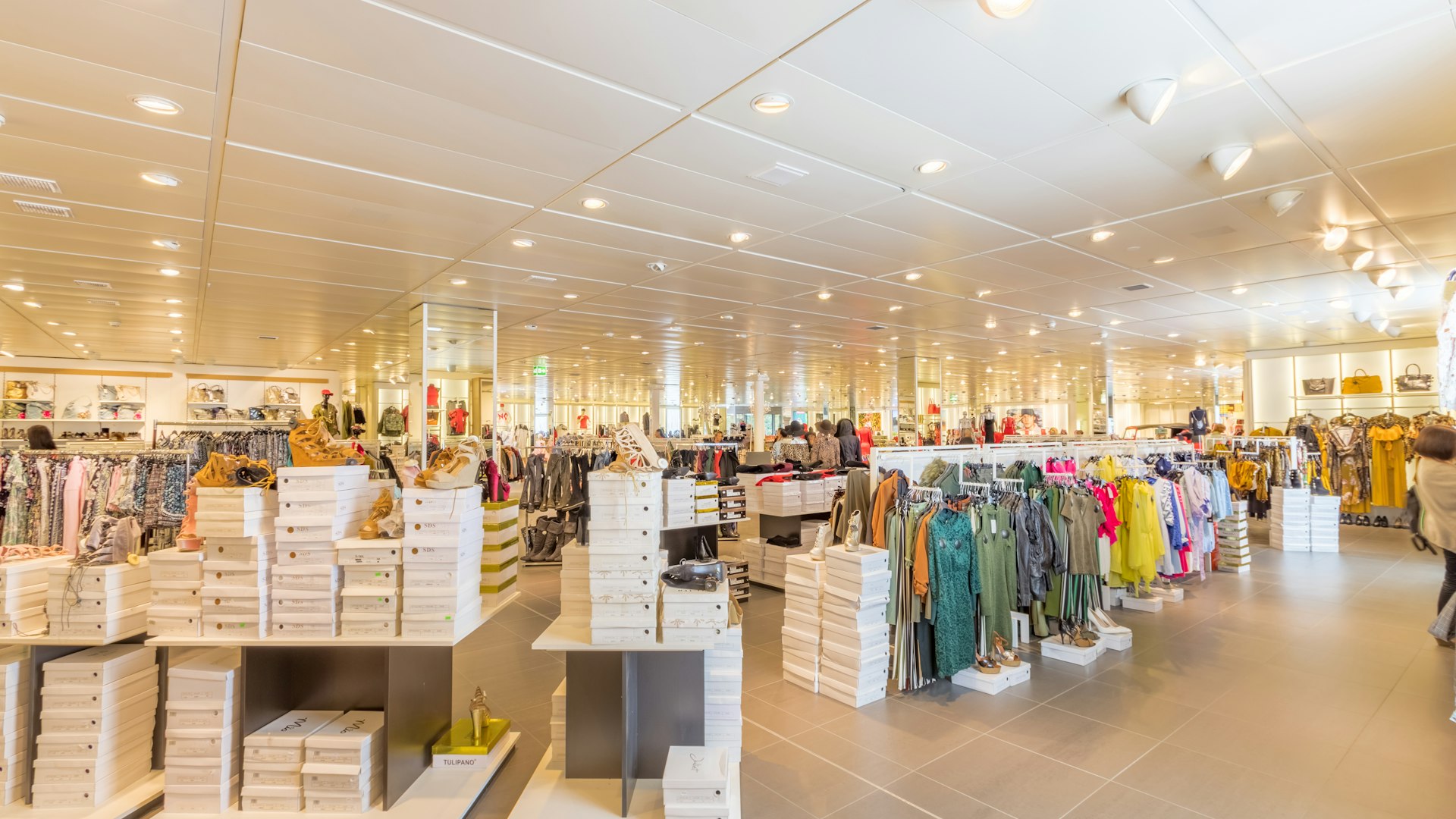
Photo: Alexander Faé / Unsplash.
Stop searching, start finding.
Tell us your size, submarket and timing. We research the whole market, including off-market, and come back with options.
Buying? Get the Good Deals by email →